Tesla Faces Fresh European Approval Battle Over Driver-Assistance Technology
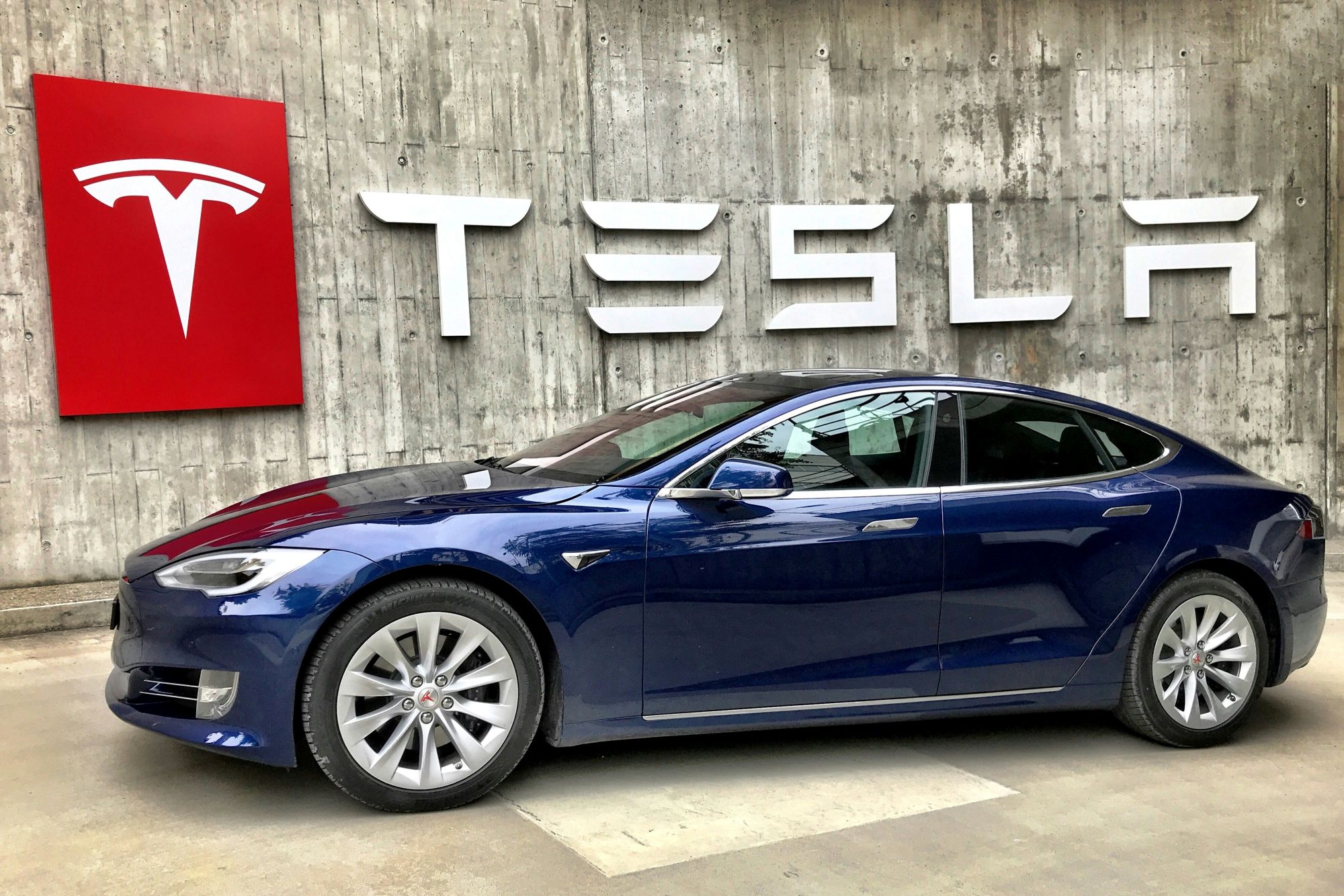
Tesla is facing another regulatory hurdle in Europe as it seeks bloc-wide approval for its Full Self-Driving (FSD) technology, with Germany now backing faster approval while other countries continue to raise safety concerns.
German Transport Minister Steffen Bilger said Germany supports prompt European approval after discussions with Tesla covering technical and liability issues. Germany has also agreed to support a system that can allow the vehicle to travel up to 10% above the posted speed limit, a feature that has become one of the most contentious issues in the approval process.
The dispute goes beyond whether Tesla's technology can steer, brake and accelerate. European regulators are also examining whether the system complies with safety requirements and whether drivers could misunderstand its capabilities. Tesla has reportedly offered to rename "Full Self-Driving" as "Tesla Assisted Driving" because the existing name may suggest a level of autonomy the system does not provide. Drivers remain responsible for supervising the vehicle.
The regulatory process has already divided European governments. The Netherlands approved the technology earlier this year, while Belgium and several other countries have supported its use. Sweden and France remain more cautious, particularly over speed-related functions. An EU-wide decision that had been expected in October has now been pushed back to at least December.
The issue could have significant consequences for Tesla's European business. Approval across the bloc would allow the company to expand its driver-assistance offering as it faces increasing competition from European and Chinese electric-vehicle manufacturers.
For European regulators, however, the central question remains whether innovation can be introduced without compromising road-safety standards.